• Home
  • Blog
  • Why Fresh Bread Still Matters in Everyday Pakistani Homes

Why Fresh Bread Still Matters in Everyday Pakistani Homes

Bread Is Part of Our Daily Rhythm

In many Pakistani homes, the day begins with bread. Toasted slices with butter or jam, an egg sandwich wrapped quickly before work, or a school lunch packed with care. Bread makes mornings easier. It saves time without feeling like a compromise.

As the day moves on, bread finds its way back onto the table. It shows up during chai breaks with rusks, as a quick snack after school, or as part of a light dinner when no one feels like cooking a full meal. It works with desi flavors just as well as it does with simple spreads.

That is the beauty of fresh bread. It does not demand attention. It blends into everyday life.

Freshness Is About More Than Taste

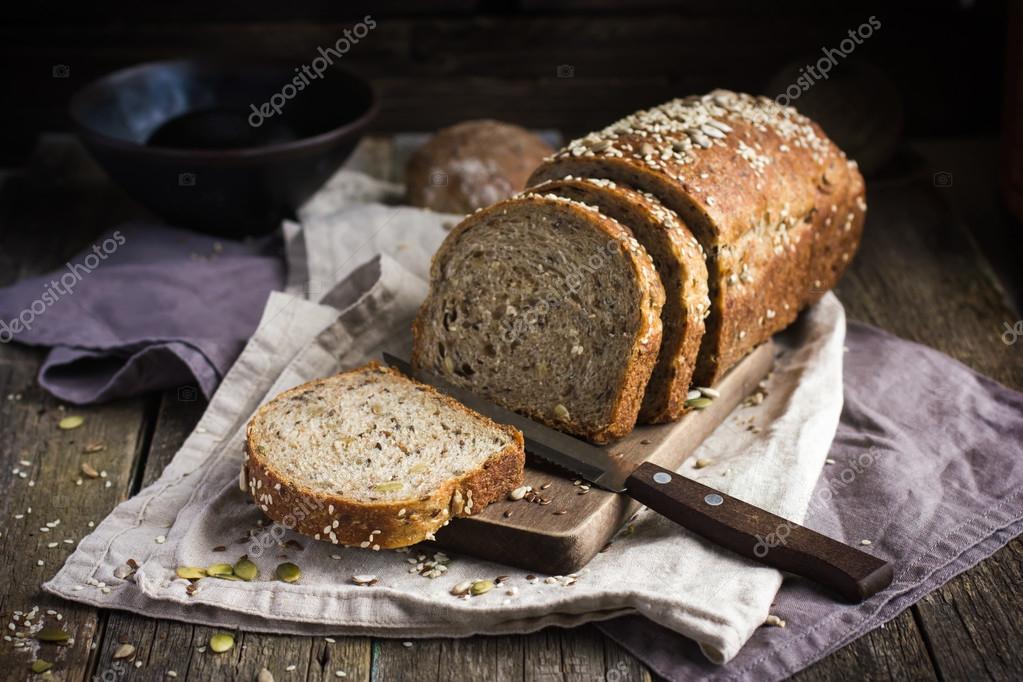
Fresh bread is not just about how it tastes. It is about how it feels. Soft slices, a gentle aroma when you open the pack, and the comfort of knowing it was baked recently.

In Pakistani households, freshness is often linked with care. We look for fresh vegetables, fresh milk, and fresh roti. Bread is no different. A fresh loaf feels reliable. It feels like something you can serve to your family without second thoughts.

When bread is baked fresh and packed properly, it stays soft longer, holds its shape better, and works well for everything from sandwiches to snacks. That consistency matters, especially in homes where food choices affect the whole family.

Bread Connects Generations

One interesting thing about bread is how it quietly connects different generations. Older family members may prefer simple slices with tea. Younger ones might enjoy sandwiches, burgers, or toast with chocolate spread. Bread adapts to everyone without changing who it is.

In many homes, children grow up eating the same bread their parents trust. It becomes familiar. Over time, that familiarity turns into preference. It is not about branding or trends. It is about habit and comfort.

Fresh bread becomes part of memory. School lunches. Weekend breakfasts. Even late night hunger moments.

Convenience Without Losing Care

Pakistani homes are busy. Between work, school, errands, and family responsibilities, people need food that is easy but still dependable. Fresh bread offers that balance.

It does not require long preparation. It does not need special cooking skills. Yet it still feels thoughtful when served. A sandwich made with fresh bread feels very different from something rushed or careless.

This is why bread continues to matter. It respects time while still respecting taste and quality.

Bread Works With Pakistani Flavors

Another reason fresh bread holds its place is how well it works with local tastes. Anda, kebab, chicken spread, chai, doodh, butter, jam, or even leftover curry turned into a quick sandwich. Bread does not clash with desi food. It complements it.

That flexibility makes it a staple rather than a trend. It does not need to replace traditional food. It simply fits alongside it.

Trust Built Over Time

In Pakistani households, food choices are built on trust. Once a family finds bread that stays soft, tastes good, and works for everyday use, they stick to it. Bread becomes part of grocery lists without discussion.

Freshness plays a big role here. When bread consistently delivers the same quality, people stop questioning it. They focus on living their lives, knowing that one small but important item is taken care of.

Still Relevant, Still Needed

Despite changing lifestyles and new food options, fresh bread remains relevant because it solves everyday problems quietly. It feeds families. It saves time. It brings comfort.

It may not always be celebrated, but it is always present.

And that is exactly why fresh bread still matters in everyday Pakistani homes.

SUBSCRIBE TO OUR NEWSLETTER

Tags

Categories

POST A COMMENT

SUBSCRIBE TO OUR NEWSLETTER

Tags

Categories

POST A COMMENT