


Subtotal $0.00


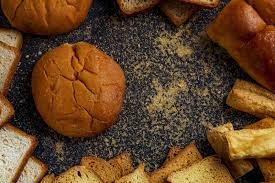
The phrase “freshly baked” gets used a lot. It is printed on packs, written on shop boards, and mentioned in ads. But what does it actually mean when it comes to the bread you bring home and eat every day?
For most people, freshly baked is not a technical term. It is a feeling. It is the difference you notice without trying too hard. The softness of the slice. The way it smells when you open the pack. The taste that feels clean and familiar, not flat or stale.
That is how you really understand freshness. Not by labels, but by experience.
Freshly baked bread is about when the bread is made and how soon it is packed. Bread that is baked regularly and packed properly holds onto its softness and flavour much better than bread that sits around too long.
You may not see the baking process, but you can feel its effect. Fresh bread bends easily without crumbling. It toasts evenly. It does not feel dry at the edges. These are small signs, but together they make a big difference.
When bread is baked often and handled carefully, it stays closer to how it was meant to be eaten.
One of the easiest ways to tell if bread is truly fresh is through texture. Fresh bread feels soft when you press it lightly. It springs back instead of staying flat. It holds fillings well without tearing apart.
As bread gets older, texture is usually the first thing to change. Slices feel stiff. Crumbs fall easily. Toasting makes it hard instead of crisp.
Freshly baked bread avoids these problems. It stays soft for everyday use and behaves the way good bread should.
Fresh bread does not need to taste strong to taste good. In fact, the best bread often has a balanced, mild flavour that works with whatever you pair it with.
When bread is fresh, the taste feels clean. There is no bitterness, no odd aftertaste, and no heaviness. It supports spreads, fillings, and meals instead of competing with them.
This is especially important in homes where bread is eaten in many ways. With eggs, with chai, as a sandwich, or even on its own. Fresh bread adapts to all of it.
Smell is another quiet indicator. Fresh bread has a light, pleasant aroma when you open the pack. It is not strong or artificial. Just enough to remind you that this is something recently baked.
When that smell is missing, or replaced with something flat, you can usually tell the bread has been around for a while. Freshness does not shout. It simply feels right.
In everyday Pakistani homes, bread is not an occasional food. It is eaten often and by everyone. That is why freshness matters more than people realize.
Fresh bread feels safer to serve. It feels more reliable. It feels like something you do not have to think twice about when packing lunches or making a quick meal.
When bread stays fresh longer, it reduces waste too. Slices get used instead of thrown away. Meals feel easier to plan. Small conveniences add up.
Sometimes the difference between fresh and not so fresh bread becomes clearer over time. When you consistently eat bread that is baked regularly, going back to older, drier loaves feels noticeable.
You start expecting softness. You notice when toast browns evenly. You appreciate bread that stays enjoyable from the first slice to the last.
That is when freshly baked stops being a phrase and becomes a standard.
Freshly baked bread is not about luxury or special occasions. It is about everyday care. Baking often. Packing properly. Delivering bread that fits into real routines.
You taste the difference because it shows up in small, honest ways.
And once you get used to that kind of freshness, it is hard to settle for anything else.
The phrase “freshly baked” gets used a lot. It is printed on packs, written on shop boards, and mentioned in ads. But what does it actually mean when it comes to the bread you bring home and eat every day?
For most people, freshly baked is not a technical term. It is a feeling. It is the difference you notice without trying too hard. The softness of the slice. The way it smells when you open the pack. The taste that feels clean and familiar, not flat or stale.
That is how you really understand freshness. Not by labels, but by experience.
Freshly baked bread is about when the bread is made and how soon it is packed. Bread that is baked regularly and packed properly holds onto its softness and flavour much better than bread that sits around too long.
You may not see the baking process, but you can feel its effect. Fresh bread bends easily without crumbling. It toasts evenly. It does not feel dry at the edges. These are small signs, but together they make a big difference.
When bread is baked often and handled carefully, it stays closer to how it was meant to be eaten.
One of the easiest ways to tell if bread is truly fresh is through texture. Fresh bread feels soft when you press it lightly. It springs back instead of staying flat. It holds fillings well without tearing apart.
As bread gets older, texture is usually the first thing to change. Slices feel stiff. Crumbs fall easily. Toasting makes it hard instead of crisp.
Freshly baked bread avoids these problems. It stays soft for everyday use and behaves the way good bread should.
Fresh bread does not need to taste strong to taste good. In fact, the best bread often has a balanced, mild flavour that works with whatever you pair it with.
When bread is fresh, the taste feels clean. There is no bitterness, no odd aftertaste, and no heaviness. It supports spreads, fillings, and meals instead of competing with them.
This is especially important in homes where bread is eaten in many ways. With eggs, with chai, as a sandwich, or even on its own. Fresh bread adapts to all of it.
Smell is another quiet indicator. Fresh bread has a light, pleasant aroma when you open the pack. It is not strong or artificial. Just enough to remind you that this is something recently baked.
When that smell is missing, or replaced with something flat, you can usually tell the bread has been around for a while. Freshness does not shout. It simply feels right.
In everyday Pakistani homes, bread is not an occasional food. It is eaten often and by everyone. That is why freshness matters more than people realize.
Fresh bread feels safer to serve. It feels more reliable. It feels like something you do not have to think twice about when packing lunches or making a quick meal.
When bread stays fresh longer, it reduces waste too. Slices get used instead of thrown away. Meals feel easier to plan. Small conveniences add up.
Sometimes the difference between fresh and not so fresh bread becomes clearer over time. When you consistently eat bread that is baked regularly, going back to older, drier loaves feels noticeable.
You start expecting softness. You notice when toast browns evenly. You appreciate bread that stays enjoyable from the first slice to the last.
That is when freshly baked stops being a phrase and becomes a standard.
Freshly baked bread is not about luxury or special occasions. It is about everyday care. Baking often. Packing properly. Delivering bread that fits into real routines.
You taste the difference because it shows up in small, honest ways.
And once you get used to that kind of freshness, it is hard to settle for anything else.
